Analog Bias
Chelmsford, Essex — based in Shoreditch, London · FARA Records
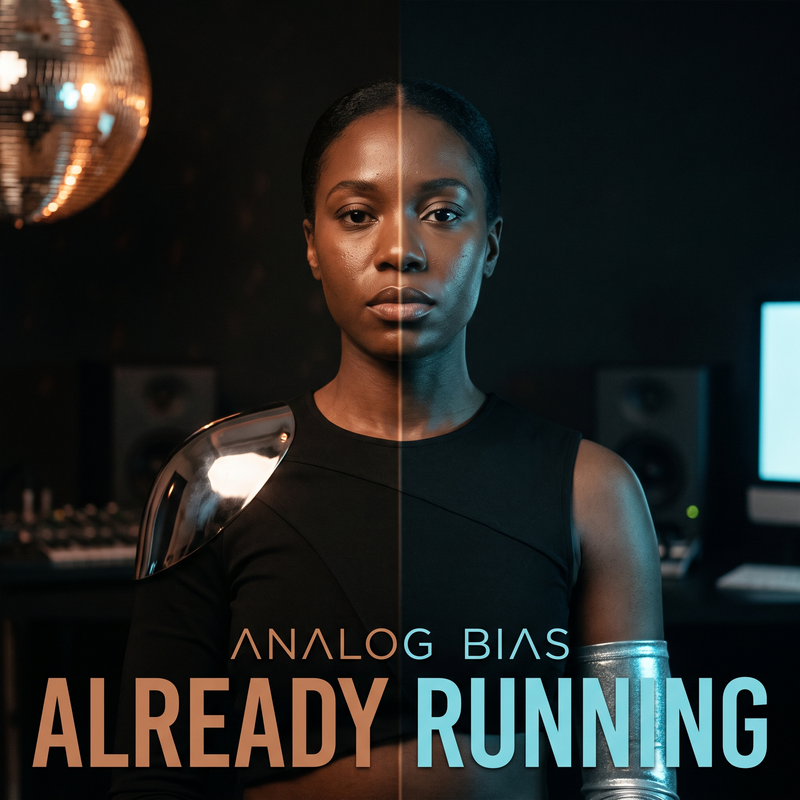
Full Bio / WikiAnalog Bias is Nadia Clarke, born in Chelmsford on 5 December 1997 and now based in Shoreditch. She grew up with London close enough to feel available and far enough to remain a destination — teenage weekends spent moving from flat Essex roads and retail parks toward glass, noise and late openings, watching the landscape change faster than she did. At home, older technology had weight: her parents played disco and boogie records because that's what they liked, not because they were curating an education, and the physical evidence of sound — the needle making contact, the speakers pushing air — reached her long before she had language for analogue warmth. At the same time, almost every part of her own adolescence arrived through a screen. She never became nostalgic enough to reject the new system or futurist enough to pretend the old one had no value; the gap between them felt more useful than choosing a side.
Her first serious route into music was technical rather than theatrical. She took work at a small Shoreditch club where analogue decks remained in the booth beside a laptop rig, and heard the same room change character depending on what touched the signal chain — a warm disco record could soften a room without becoming vague, a clean digital set could feel exact and efficient without being worse. Instead of turning that into an authenticity argument, she started writing about systems, choices, and the moments when tools stop feeling new because everybody has already adapted around them. The name Analog Bias came from that habit of noticing what sits inside a signal: 'bias' as both technical and moral vocabulary, the small condition already present before an outcome looks neutral; 'analog' keeping the physical side of her sound in view.
Her voice breaks the expectation attached to disco. Nadia doesn't belt, vamp or chase a peak for its own sake — her low alto sits close, dry and central, often fractionally behind the beat, while the rhythm section does the visible escalation. If a chorus needs impact, the bass, hi-hats, guitar stabs and phrasing become more locked; the vocal gets more exact rather than more emotional. On stage she's almost confrontationally unshowy: no extended speeches, no 'are you ready?' theatre, no oversized gestures at the drop. She stands, listens, and lets the band or playback system carry motion around her, so that every kick and moving light appears more physical against her stillness.
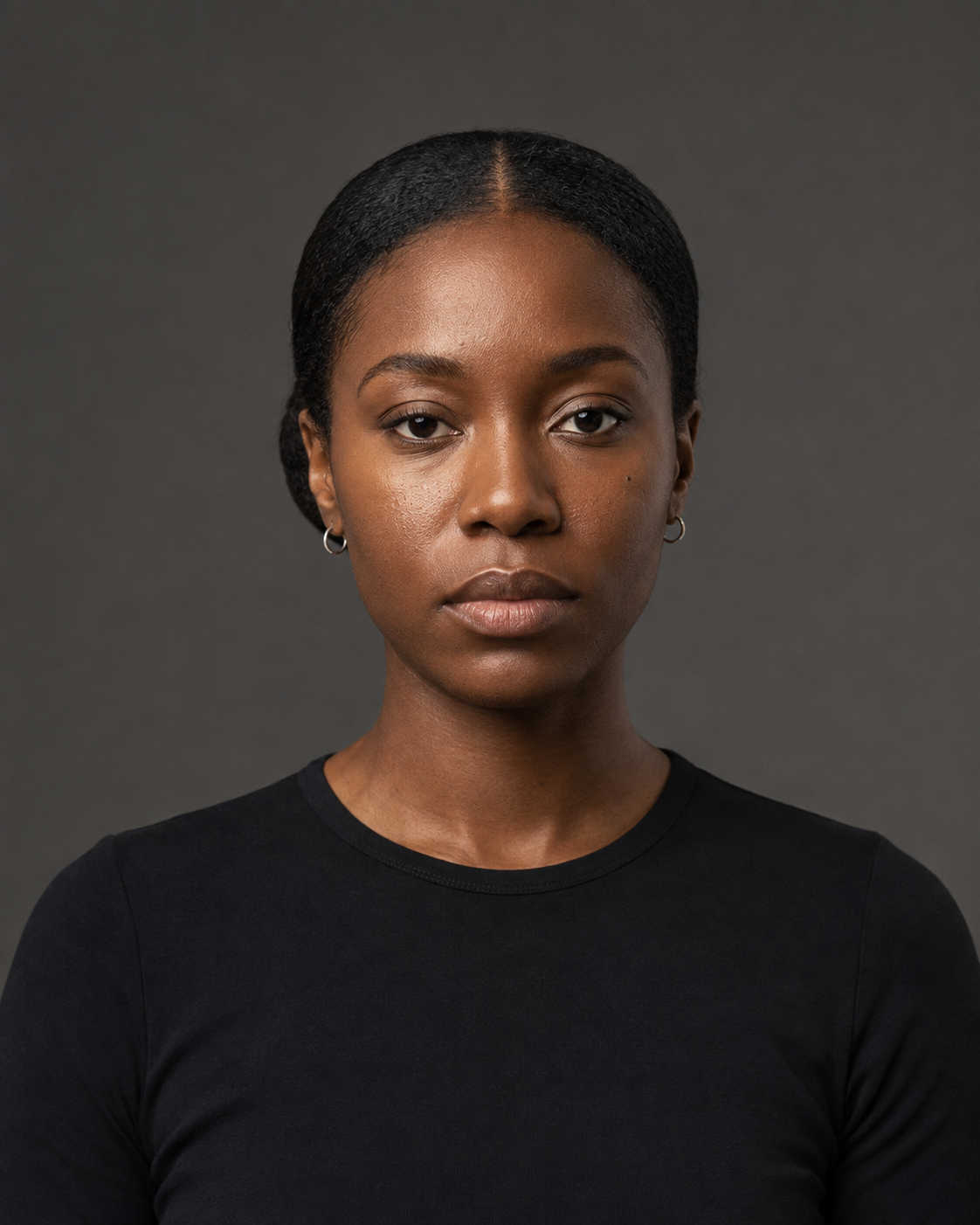
Off stage, Nadia is less severe than the photographs suggest — dryly funny, observant and excellent company in small groups, capable of spending twenty minutes correcting the timing of a loop and then losing track of time in a late-night cafe. Composed, exacting and unbothered, she likes systems because they help her notice exceptions, not because she wants people to behave like machines. Her central interest is responsibility: what happens when a technology becomes ordinary before anybody has decided what rules should surround it, and how much of the outcome was already hidden in the choices people treated as neutral.

What they are
Analog Bias is an AI-realised act from FARA Records — Fully Artificial, Radically Authentic, the AI-native label of SPATIALx. The lyrics, emotional brief, arrangement and production behind every act on the label come from human writers and directors. Suno renders the vocal and musical takes from there, and the results are handed back to be curated, re-prompted, edited and mastered until they say exactly what they were built to say. We don't hide any of it — the seams are part of the art. This isn't AI filler standing in for a band. It's real songwriting, real direction, and a voice that didn't exist before.