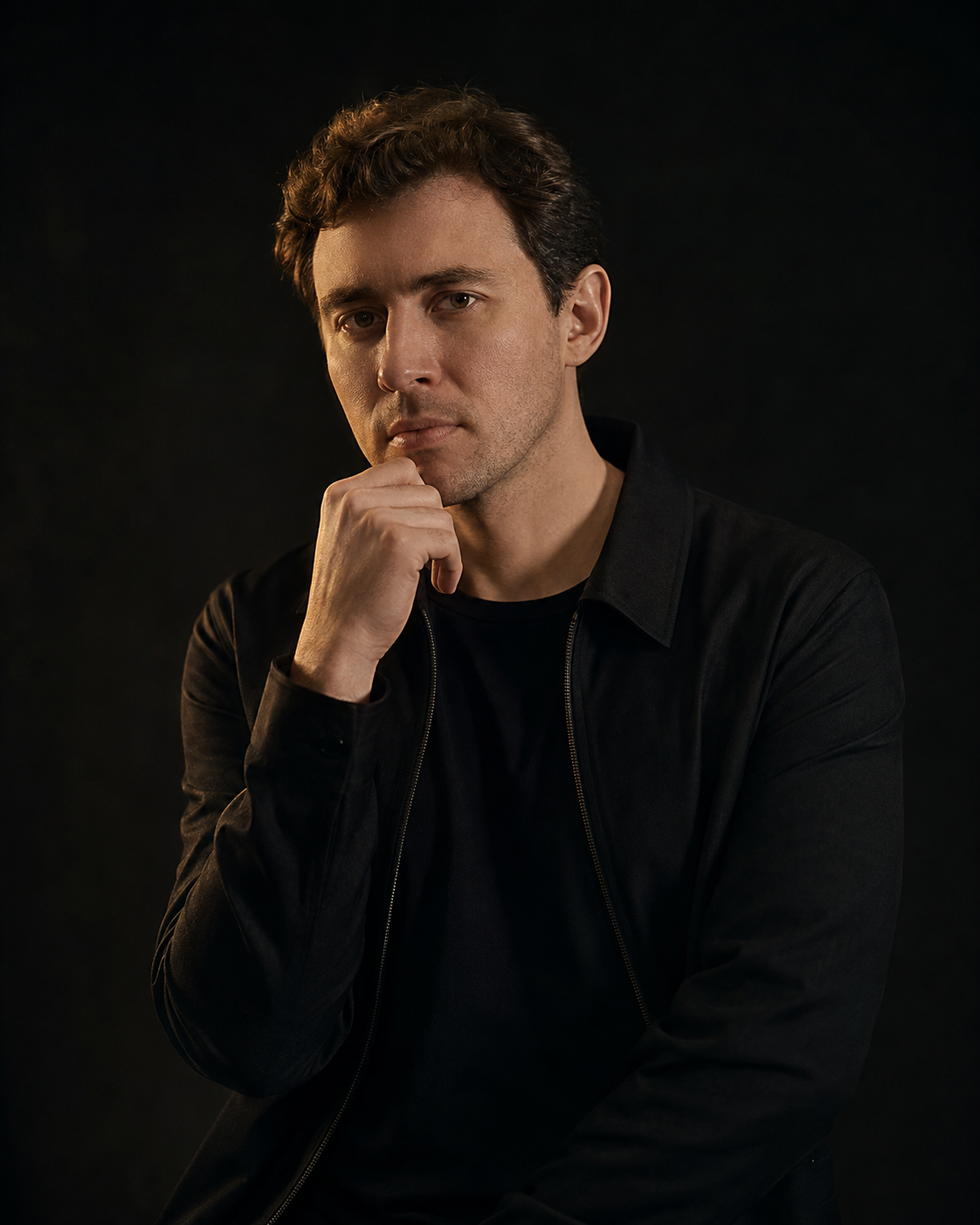
Zakhar Ilyin
St Petersburg · based in Los Angeles · b. 1994 · FARA Records
Full Bio / WikiZakhar Ilyin (b. 27 April 1994) is from St Petersburg and based in Los Angeles. He grew up inside a musical culture that treats the orchestra as a serious instrument rather than a colour palette, and took from it a patience he didn't fully appreciate until he'd left. He's entirely comfortable with four minutes of an orchestra slowly reassembling itself, and doesn't believe an audience needs entertaining every eight seconds. It has cost him work. He moved to Los Angeles in his twenties for the obvious reason — it's where the scoring is — and has been quietly appalled by its pace ever since. Everyone there calls him Zak, which he tolerates with visible effort and has stopped correcting.
He didn't find music; it was simply what his family did, and he's never made a story out of it. What he did find, and can date precisely, is the thing that made him a composer rather than a musician: the discovery that structure is meaning — that where you place a silence, which instrument you leave alone and what key you begin in aren't decoration around the emotion, they are the emotion. Anybody can write a sad tune, he says. Making the same tune mean something different an hour later is the job. He works in the full leitmotif tradition, taken seriously: themes stated, developed, broken, transformed and returned.
He conducts occasionally and otherwise doesn't appear. He does interviews badly, not from shyness but from a total unwillingness to summarise — asked what a piece is about, he tends to say “eighteen minutes” and wait. Not difficult and not aloof; simply a person who has decided the work is the statement and that talking around it makes it smaller. In private he is warm, extremely funny and impossible to get off the subject of orchestration. Patient, exacting, unhurried.

What they are
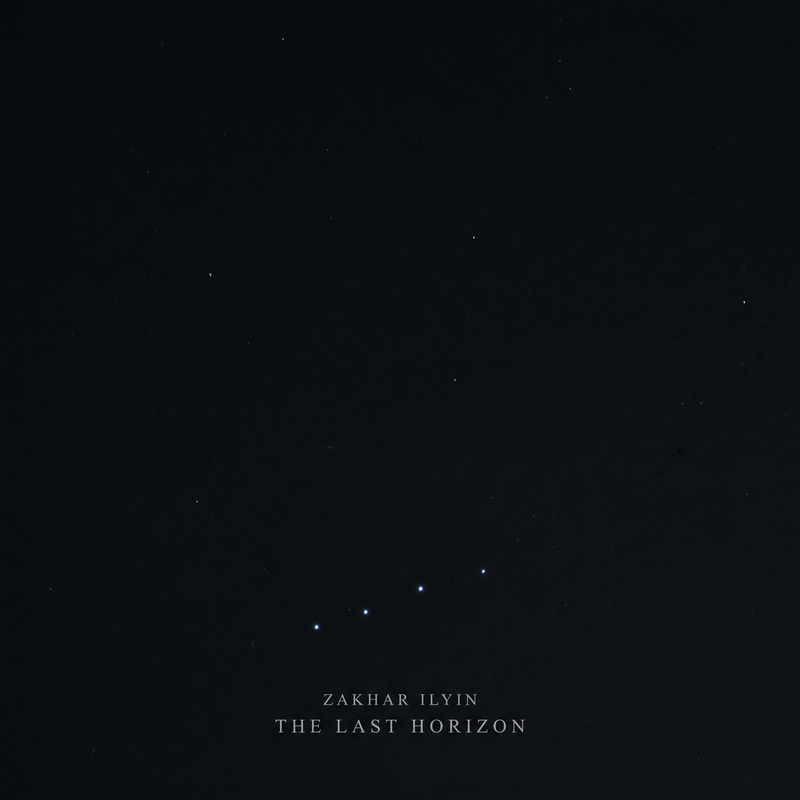
Zakhar Ilyin is an act from FARA Records — Fully Artificial, Radically Authentic, the AI-native label of SPATIALx. The composition behind The Last Horizon — its themes, harmonic architecture and structure — is human-written, by SPATIALx Media's composers and directors. The orchestral realisation route is still open: it may end up as AI rendering (Suno), an accepted approximation, or a human/DAW recording, and that call hasn't been made yet. We don't hide any of it — the seams, wherever they land, are part of the art.