
FARA Records · Digital release
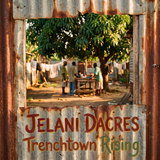
Trenchtown Rising
Babylon named plainly and updated for now — an MC on the riddim, two tempos and full brass. Press play. Turn it up.
- Archive no.
- FARA-214
- Edition
- DRM-free audio
- Delivery
- Instant download
- Issued
- 2026


Trenchtown Rising
Babylon named plainly and updated for now — an MC on the riddim, two tempos and full brass. Press play. Turn it up.
PREVIEW CHANNEL — SELECT A TRACK
0:00 / 0:00 · PREVIEW
- 01 Trenchtown Rising 3:11
A party with an enemy named in it — two tempos, full brass, and an MC riding the riddim.
MUSIC TRACK STORY

Trenchtown Rising is the debut single from Jelani Dacres — roots reggae with a 2-tone ska streak, a full horn section and a deejay on the mic, in G major and at two tempos at once.
Music Track Story
Jelani MCs this record rather than sings it, which is the older Jamaican tradition and the right one for what the song is doing. He rides the riddim rather than sitting on top of it — behind the beat, relaxed, conversational, with patois naturally embedded rather than performed, working the room the way a deejay works a dance: chatting the verses, driving the chorus, letting the horns and the crowd carry what he doesn't need to say. There's real roughness in the upper register when he pushes, and on the chorus peak he tears.
The two tempos carry the meaning. The record runs a rolling, bass-forward reggae groove at 80 and a sharp punching ska at 140, and they mean two different things. The 80 is where he lives — the yard, his woman, the children, the morning. The 140 is where he fights — the radio, the television, the feed, the algorithm. In the final chorus both are present in the same bar, and that is the argument of the whole record: you don't have to choose between the life and the fight.
The Rastafari reading of Babylon has always been that it is a system rather than a place, and the song's best move is to point out that the system hasn't disappeared — it has simply changed its interface. The first verse opens on the packaged dream sold to keep you asleep; the ska bridge names the machinery outright and brings it up to date, then answers the whole apparatus in four words about a song that cannot be taken. Verse two is where it turns human, and holds the most quietly devastating line in the record — which isn't about the system at all, just a man watching the young ones on their phones. He isn't angry at them. He's only watching.
The bass is a lead instrument here, not a foundation — a deep walking line mixed to the front, playing melody rather than root notes, with an offbeat skank on every upbeat, a nyabinghi hand drum beneath the kit, and trumpet, trombone and saxophone punching through the ska sections. The community arrives before the MC does: the backing trio hums a single note in bar five of the intro, two full bars before he opens his mouth. The people are already there, and they answer every chorus phrase from then on.
The dub break is where the mic work gets closest to speech — stripped to bass and hand drum, almost spoken — and it refuses to be a tribute. It names Bob Marley, invokes the line about mental slavery, and then immediately points past him, acknowledging that he sang it from the root of something older and reaching back to the Marcus Garvey speech the idea comes from, before turning it forward: now we carry it. The song treats the tradition as a relay rather than a shrine.
Then it doesn't end. The instruments fade one by one and the last two sounds are the walking bass and the nyabinghi hand drum, alone — and then silence, with the groove still going somewhere that can't be recorded. It doesn't finish. It walks out of earshot.
£0.99


