
FARA Records · Digital release
Glide
Two voices, no lead, and zero patience for anyone explaining the good old days to them — a disco record that uses 1979's sound and refuses its sentiment. Press play....
- Archive no.
- FARA-189
- Edition
- DRM-free audio
- Delivery
- Instant download
- Issued
- 2026


Glide
Two voices, no lead, and zero patience for anyone explaining the good old days to them — a disco record that uses 1979's sound and refuses its sentiment. Press play. Keep up.
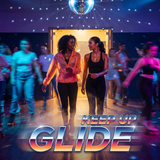
PREVIEW CHANNEL — SELECT A TRACK
0:00 / 0:00 · PREVIEW
- 01 Glide 3:42
We don't walk no more — we glide.
MUSIC TRACK STORY

Glide is the debut single from KEEP UP — nu-disco at 116 BPM in a bright major key, and a roller-rink banger with an argument running underneath it.
Music Track Story
Skate wheels roll in. A clap. Laughter, close to the mic — and then the thesis, thrown between two voices before the beat has even landed. That exchange is the whole act in four seconds: one of them says it, the other one answers it.
The rule the record enforces as strictly as everything else is that there is no fixed lead. Dahlia and Elise trade lines, finish each other's sentences, talk over each other and chant together, and on any given bar it's genuinely unclear who's in charge — because nobody is. Dahlia opens things: warmer, lower, groove-anchored, the one who sets a section's rhythm. Elise lands them: sharper, faster, holding the punchline. Neither is the star, and any mix that puts one of them out front has broken the act.
The laughter is real and left in on purpose. So are the interruptions nobody bothered fixing — this is what two friends already mid-conversation actually sound like, and the record is built to sound populated rather than performed. The skate sounds are an instrument too, not a sound effect: wheels, claps and the glide itself open the track, weave through the disco break and roll away at the end.
Underneath the party is an argument, and it's a good one. Someone older tells them the good version of everything already happened — and instead of arguing back, they simply move faster than the conversation. You overthink; we move instead. You call it chaos; we call it free. The tone is retro Gen Z and Gen Alpha — kids who grew up loving an aesthetic they were told they'd missed, wearing it without a shred of reverence for it. Which is exactly why the joke lands: the accusation is that this lot are distracted and unserious, while the lyric quietly notes that the phone is in the hand and nobody's scrolling, because the music has a different hold. They're more present than the person lecturing them, and the record proves it by refusing to sit still for four minutes. The breakdown lands it deadpan, split one line each — colder and funnier quiet than shouted.
It's built on four-on-the-floor with a tight punch, a warm melodic bass doing most of the tune's work, muted rhythm-guitar upstrokes carrying the groove, disco strings that lift and then stab, punchy horns and tambourine. Glossy but played, and moving on a skate rhythm rather than a dancefloor one — summer night, city, euphoric but grounded. And in the final chorus it turns generous, which is the best writing on it: doesn't matter when you entered; if you feel it, you remember. The door is open. It was never a war, only an invitation. Then they leave anyway: catch up, or don't.
A disco record built from 1979's rhythm guitar and strings, whose entire argument is that the past wasn't better. It uses the sound and declines the sentiment.
£0.99


